
12 Days of Wellness: Day 10
Seasonal Reset Ideas to Support Digestion and Energy

My background in Ayurvedic Traditional Medicine taught me that our health is most vulnerable during seasonal and climatic changes.
Are you noticing any of these lately?
-
Energy dipping throughout the day
-
Reaching for more coffee or sweets
-
Craving comfort foods
-
Snacking nonstop
-
Digestive discomfort or sluggishness
If so, your body may be signaling that it’s time to adapt your diet and lifestyle to your environment.
Consider Your Surroundings
The way your body responds to seasonal shifts depends on whether you're moving toward warmth or cold.
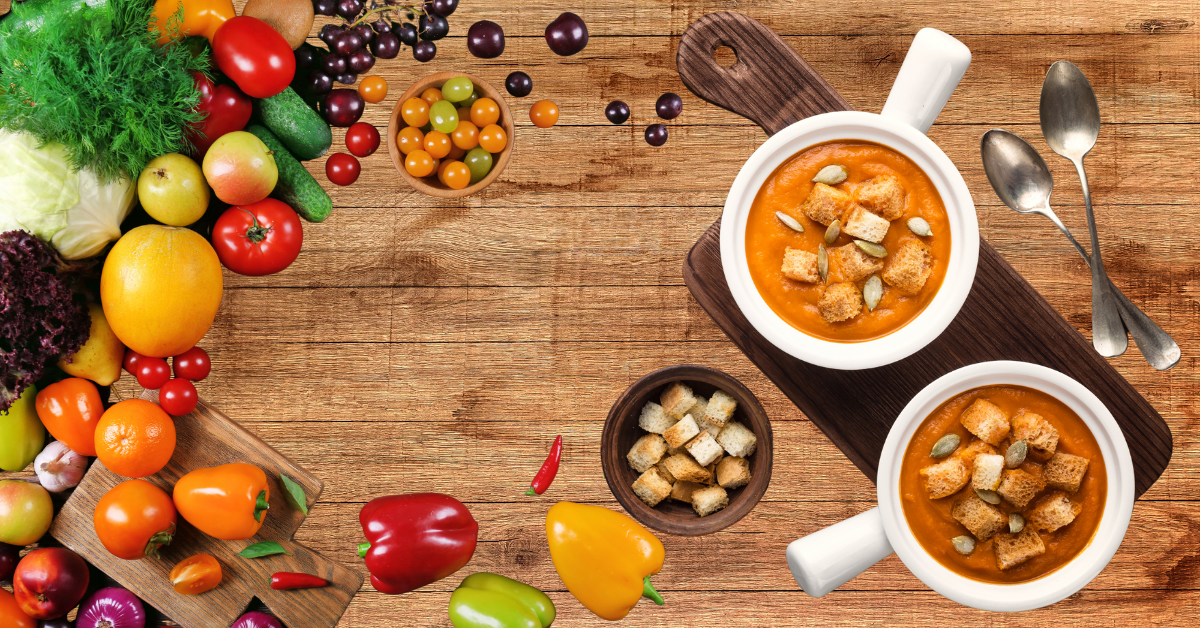
If You’re Moving From Colder to Warmer Weather:
Lighten up your meals and increase:
-
Fresh vegetables
-
Fruits
-
Hydrating foods
These help your body release the heaviness stored during cold months.
If You’re Moving From Warmer to Colder Weather:
Choose grounding, warm, nourishing foods like:
-
Soups & stews
-
Vegetable purees
-
Broths
-
Balanced meals with protein + healthy fats (olive oil, coconut oil, clean animal products)
The shift from warmth to cold is the hardest on digestion and energy. Your body instinctively wants more calories, comfort foods, and quick energy. Add holiday stress on top of that, and self-sabotage gets easy.
The Remedy?
Give your digestive system easy-to-break-down, highly nutritive foods. This frees up energy to support:
-
Immune health
-
Cellular metabolism
-
Detoxification pathways
Think of it like taking care of a car engine before winter — top off fluids, warm things up, and avoid burdening the system.
Keep It Simple
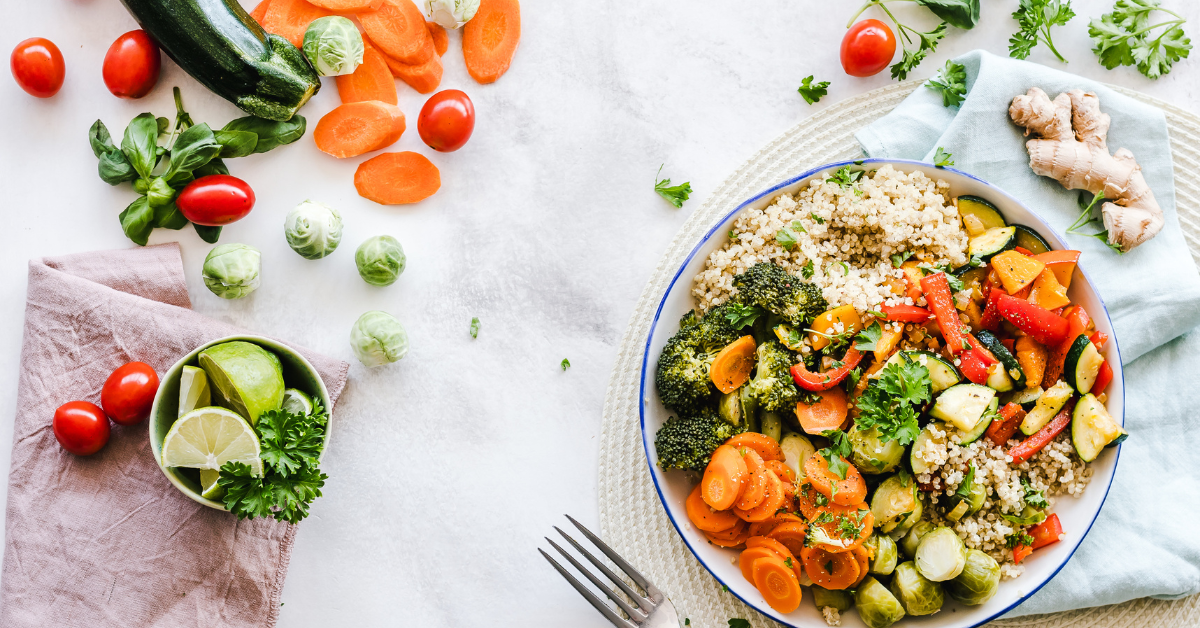
Simple meals are the kindest to your digestive system. During seasonal transitions or climate travel, stick to combinations your body can process easily.
Easy-digesting meal tips:
-
Eat meats with non-starchy vegetables and salads. Skip heavy, creamy sauces.
-
Focus on chimichurri-style sauces: chopped herbs, garlic, salt, olive oil.
-
Avoid bread + animal products together (like meat or cheese sandwiches). If needed, use a wrap instead of bulky bread.
-
Avoid fruits with meals. Eat them on their own to prevent digestive slowdown.
-
Don’t eat dessert right after your meal. Have a small treat between meals (“tea time”).
-
If you’re plant-based:
-
Meal 1: legumes + veggies
-
Meal 2: grains + veggies + nuts or seeds
(Beans + grains together can be hard to digest.)
-
Give It a Rest
Don’t eat for at least 12 hours overnight.
Your digestive system and liver need time to:
-
Break down and process your daily intake
-
Clear additives, pesticides, alcohol, and metabolic waste
-
Support your brain’s overnight glymphatic cleansing process
-
Reset your gut–brain axis
Eating a big or complex meal late at night keeps blood flow in your gut instead of allowing your brain, liver, and intestines to recover.
Try: 7pm–7am or any similar 12-hour window.
And if you’re hungry before bed?
It’s often a sign of daytime dehydration — drink water first.

Warm It Up
Especially during colder months or in overly air-conditioned environments (airports, hotels, planes), your body benefits from warm, cooked, easy-to-digest foods.

Skip:
-
Cold salads
-
Dry snacks (chips, pretzels)
-
Icy drinks
These often worsen bloating or gas when digestion is already stressed.
Choose:
-
Soups
-
Stews
-
Hot protein bowls
-
Warm beverages (golden milk, adaptogenic drinks, herbal teas)
Well-cooked foods are already partially broken down, making nutrients easier to absorb.

Bottom Line
What you cannot digest becomes a toxin in the body.
If you never give your digestion a rest, those toxins accumulate — like stuffing unused junk into a closet.
Let your body reset naturally by:
-
Choosing simple food combinations
-
Eating warm and digestible meals
-
Allowing a 12-hour overnight digestive break
-
Supporting your body through seasonal shifts
Your energy, clarity, and digestion will noticeably improve.