
12 Days of Wellness: Day 2
Quick Wins: Ways to Feel Better in 48–72 Hours

Eat too much at a gathering or a party? Too many sweets at the office? Colder weather getting in the way of your daily walks? Feeling sluggish and heavy after eating, or when you wake up in the morning? Whether it’s the colder weather, fewer hours of daylight, extra social demands, or the overwhelming abundance of holiday foods and beverages, this is the time of year when many people lose their hard-won traction on good health habits. What can we do about it today?
Quick Win 1:
Move dinner earlier and breakfast later
Time restricted eating is a form of intermittent fasting that is the easiest to accomplish and one of the best ways to give your body a break. Try to get at least 12 hours with no food or caloric beverages. Water, herbal teas, even black tea or coffee are fine; but no sweeteners or artificial sweeteners and no milk, cream, or protein.
Example: eat your last meal by 7pm, and the next day do not have anything but water or plain tea or coffee before 7am. Gradually extend this time span by another hour up to 16 hours, which is doable short-term for most people. Many people keep their eating window condensed to 8–10 hours.
Even using this as a tool once in a while can be an amazing reset.
Why this is helpful:
-
Digestion requires a lot of energy and pulls blood away from the brain and limbs.
-
Detoxifying poor-quality foods, alcohol, and sugar takes even more energy.
-
Giving your body 12–16 hours without food helps your system “clean house” — GI tract, liver, and bloodstream.
-
Allowing 2–4 hours of digestion before bed often leads to better-quality sleep.
Bottom Line:
Quit eating at 6pm, don’t eat again until 6am–10am.
Only drink water or plain tea/coffee in this 12–16 hour window.
Spend 8–9 of those hours in bed, resting!

Quick Win 2:
Pick a New Vegetable
Years ago I stopped removing “forbidden” foods from my nutrition clients’ diets. This only made them feel more deprived and like a failure if they slipped. Instead, I began adding good things until the “bad” naturally got pushed out.
Adding a colorful vegetable is one of the easiest ways to improve your microbiome and your health immediately.
Go to the store and look for a green, red, purple, orange, or yellow vegetable you can easily cut and steam. Make or buy a simple dressing based on olive oil, herbs, vinegar or citrus, salt, and pepper. When prepping lunch or dinner, steam that veggie, toss it in dressing, and slightly reduce “fillers” like bread, pasta, or rice.
Why this is helpful:
-
Vegetables feed your good gut bacteria with fibers and polyphenols.
-
These compounds help support liver health and other organs.
-
Veggies are filling and help reduce intake of empty carbs.
-
Steamed veggies make a great bowl base for whatever protein you already eat.
Bottom Line:
Pick up colorful veggies like broccoli, broccolini, chard, peppers, squash, green beans, Brussels sprouts, beets, carrots, or onions.
Cut, steam, dress with olive oil.
A quick fix for your gut and liver!
Quick Win 3:
Add Trace Minerals to All the Water You Drink
Did you realize that filtered water is empty water? Compared to natural water sources (streams, lakes, springs), filtered H₂O contains almost zero ionic trace elements. This means our internal “batteries” aren’t fully charged.
Instead of relying on high amounts of 2–6 mega-minerals, try full-spectrum trace mineral support — maybe even with a squeeze of lemon or lime.
Remember: most cultures traditionally drink teas, broths, soups, stews, and fresh juice–infused waters, all of which naturally contain trace minerals.
Ways to get this:
-
Ionic liquid trace minerals from ocean water, salt lake water, or humic/fulvic-rich earth layers.
-
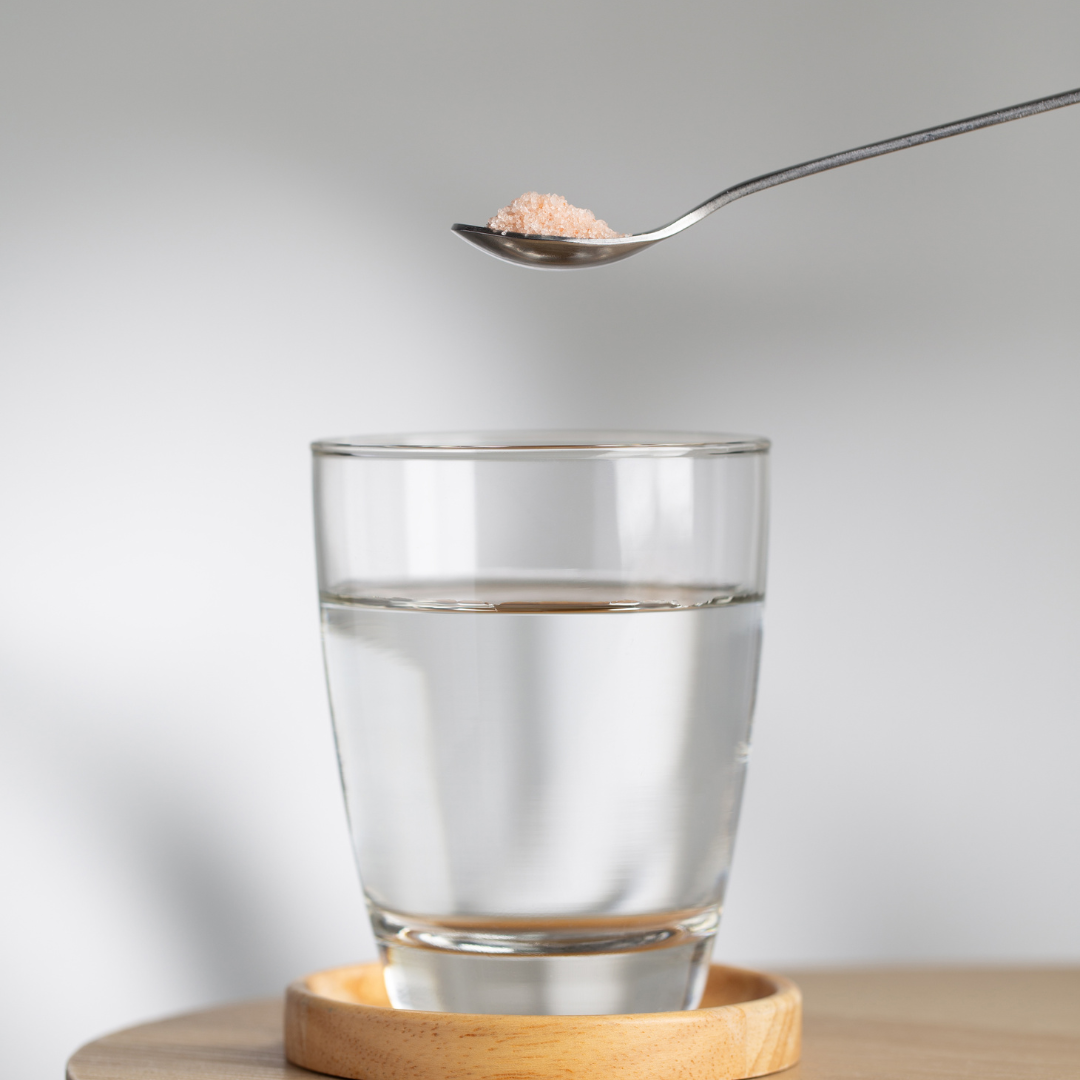
A simple hack: a pinch of mineral-rich sea salt (like gray, moist Celtic Salt) in warm water with lemon.
-
I call it “battery acid” because it can recharge cell membranes quickly!
-
-
If you cook at home, make a big pot of vegetable or bone broth and use that as a large portion of your fluids for a couple of days.
-
It wasn’t the meat in chicken soup that kept the doctor away — it was the broth!
-
Bottom Line:
H₂O alone isn’t enough for true cellular hydration.
Filtered water lacks trace minerals, so even if you drink a lot,
your cells may not actually be hydrated.