
Navigating the Organic Landscape: Understanding Greenwashing and Industrial Organic
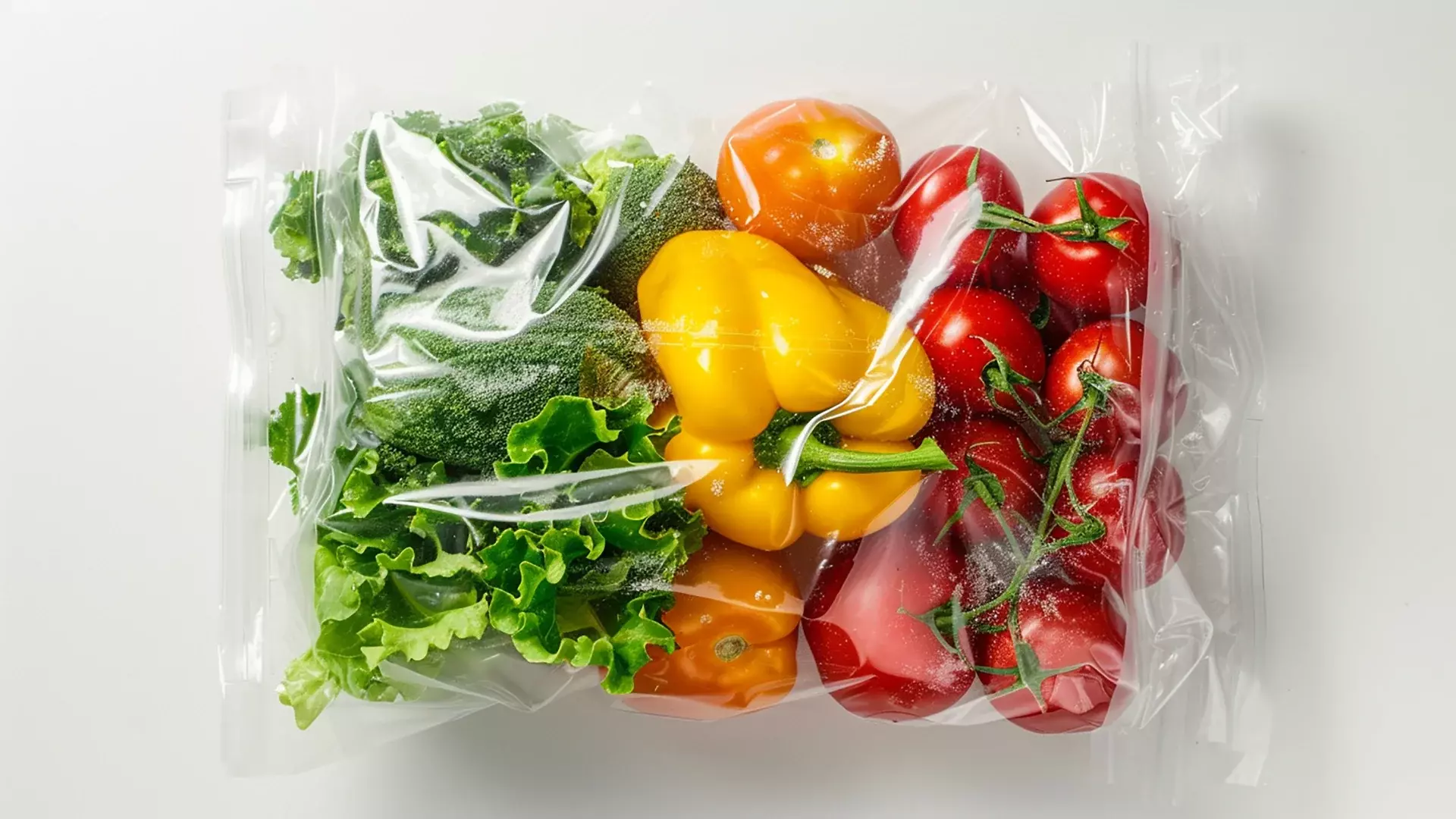
In recent years, the demand for organic food has skyrocketed as consumers increasingly seek healthier, more environmentally friendly options. However, with this surge in popularity has come a host of challenges. From misleading marketing tactics to the industrialization of organic farming, the landscape has become increasingly complex for consumers to navigate. This article aims to shed light on some of these issues, helping you make more informed choices about the food you eat.
What is Greenwashing?
Greenwashing is the practice of making products appear more environmentally friendly or sustainable than they actually are. In the food industry, this often manifests as misleading labeling or marketing claims. For instance, a product might be labeled "natural" or "eco-friendly" without meeting any specific standards. When it comes to organic products, greenwashing can be more subtle but equally misleading.
The War of Words in Organic Marketing
The organic food market has become a battlefield of buzzwords. Terms like "natural," "farm-fresh," and "pesticide-free" are often used to evoke the idea of organic without actually meeting organic standards. It's crucial for consumers to understand that only products labeled "USDA Organic" or "100% Organic" are certified to meet strict organic standards. Other terms are largely unregulated and may not mean what you think they do.
Industrial Organic: When Big Business Goes Organic
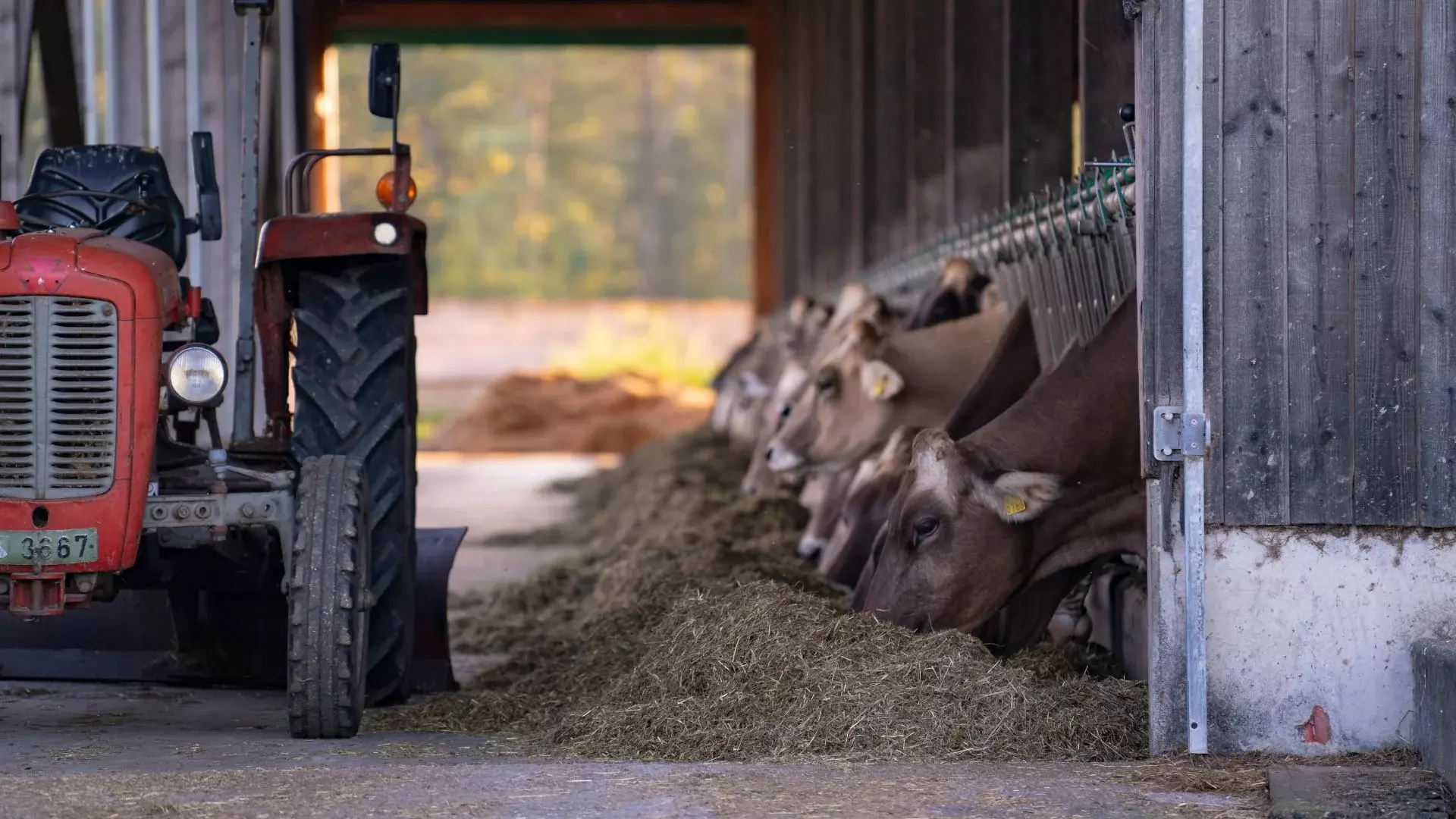
As demand for organic products has grown, large corporations have entered the market. This has led to what many call "industrial organic" – large-scale organic production that, while meeting the letter of organic regulations, may not embody the spirit of the organic movement.
Industrial organic operations can bring organic products to a wider audience at lower prices. However, critics argue that these operations often prioritize efficiency and profit over environmental stewardship and may exploit loopholes in organic regulations. For instance, a large organic dairy might technically provide "access to pasture" for its cows, but in practice, the animals spend most of their time in confined feeding operations.
The Hydroponics and Aeroponics Debate
One of the most contentious issues in the organic world today is the inclusion of hydroponic and aeroponic growing methods under the organic label. Hydroponics involves growing plants in nutrient-rich water without soil, while aeroponics grows plants in an air or mist environment.
In 2017, the National Organic Standards Board voted to allow hydroponic and aeroponic produce to be certified organic, a decision that has been met with significant controversy. Proponents argue that these methods can be environmentally friendly and resource-efficient. However, many traditional organic farmers and purists contend that growing without soil goes against the fundamental principles of organic farming.
The core of organic farming has always been about building healthy soil ecosystems. Hydroponic and aeroponic systems, by their very nature, do not involve soil. Critics argue that these methods, while potentially producing visually perfect and technically "clean" produce, may not offer the same nutritional benefits as plants grown in healthy, biologically active soil. Furthermore, they don't contribute to soil health or provide the ecosystem services of traditional organic farming.
Reading Between the Lines: What Your Organic Label Might Not Tell You
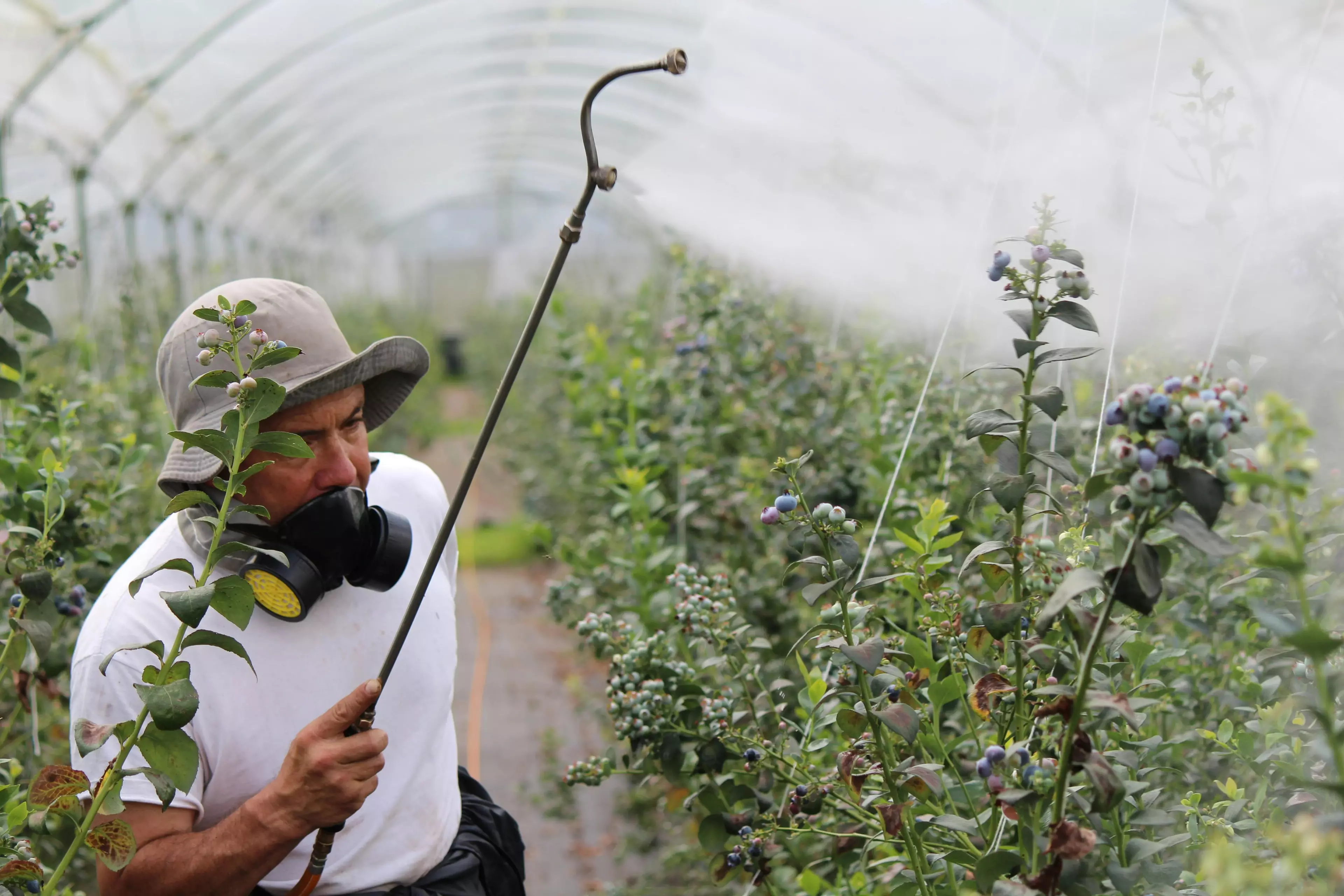
While the USDA Organic seal does guarantee certain standards, there's often more to the story. For instance, organic regulations allow for the use of certain approved pesticides. While these are generally considered less harmful than conventional pesticides, their use might surprise some consumers who assume organic means "pesticide-free."
Similarly, large-scale organic operations might use practices that, while technically allowed, don't align with many consumers' vision of organic farming. This could include minimal crop rotation, reliance on organic pesticides rather than more holistic pest management, or sourcing organic ingredients from across the globe rather than locally.
The True Cost of Cheap Organic
As organic has gone mainstream, there's been increasing pressure to make organic products more affordable. While this has made organic more accessible, it often comes at a cost. Smaller, more diversified organic farms often can't compete on price with large industrial organic operations. This can lead to a consolidation in the organic industry, potentially pushing out the very farmers who built the organic movement.
Moreover, the drive for cheaper organic products can lead to cutting corners. This might mean relying more heavily on approved pesticides, importing organic ingredients from countries with lower labor costs, or choosing practices that meet the minimum organic requirements rather than going above and beyond.
Beyond The Label: Supporting Authentic Organic Practices
So, how can consumers navigate this complex landscape? Here are a few tips:
-
Look beyond the organic label. While USDA Organic certification is a good starting point, don't be afraid to dig deeper.
-
Support local and small-scale farmers when possible. This allows you to ask directly about farming practices.
-
Research brands. Many companies are transparent about their practices – support those that align with your values.
-
Consider other certifications. Labels like Regenerative Organic Certified or Biodynamic go beyond basic organic standards.
-
Be wary of too-good-to-be-true prices. Truly sustainable organic farming often costs more.
The organic movement began as a way to produce food in harmony with nature, prioritizing soil health, biodiversity, and ecological balance. While the expansion of organic has brought many benefits, it's crucial that we don't lose sight of these core principles.
As consumers, our choices have power. By staying informed and supporting practices that truly embody the spirit of organic farming, we can help shape a food system that is genuinely sustainable, ethical, and health-promoting. Remember, every purchase is a vote for the kind of food system you want to see. Choose wisely.