
12 Days of Wellness: Day 4
Gut Health Foundations for Better Energy, Mood, and Immunity

If you’ve been feeling tired, foggy, bloated, moody, or more stressed than usual, your gut might be asking for support. Most people don’t realize how much their gut affects the rest of their body — but it plays a role in almost everything:
-
Energy
-
Immunity
-
Hormone balance
-
Cravings
-
Digestion
-
Inflammation
-
Emotional health
Taking care of your gut doesn’t require a complicated diet or a long supplement list. Most of the improvement comes from simple habits you can start today.
Your Gut Does Much More Than Digest Food
Your gut is home to trillions of microbes that help run your body behind the scenes. This is called your microbiome and when healthy, it helps
-
Break down food
-
Regulate inflammation
-
Support mood through neurotransmitters
-
Keep your immune system strong
-
Protect your gut lining
-
Balance blood sugar
When your gut is balanced, you feel it. You have more energy, better digestion, fewer cravings, and a calmer mind. When your gut is stressed, you feel that too — bloating, fatigue, mood swings, or getting sick.
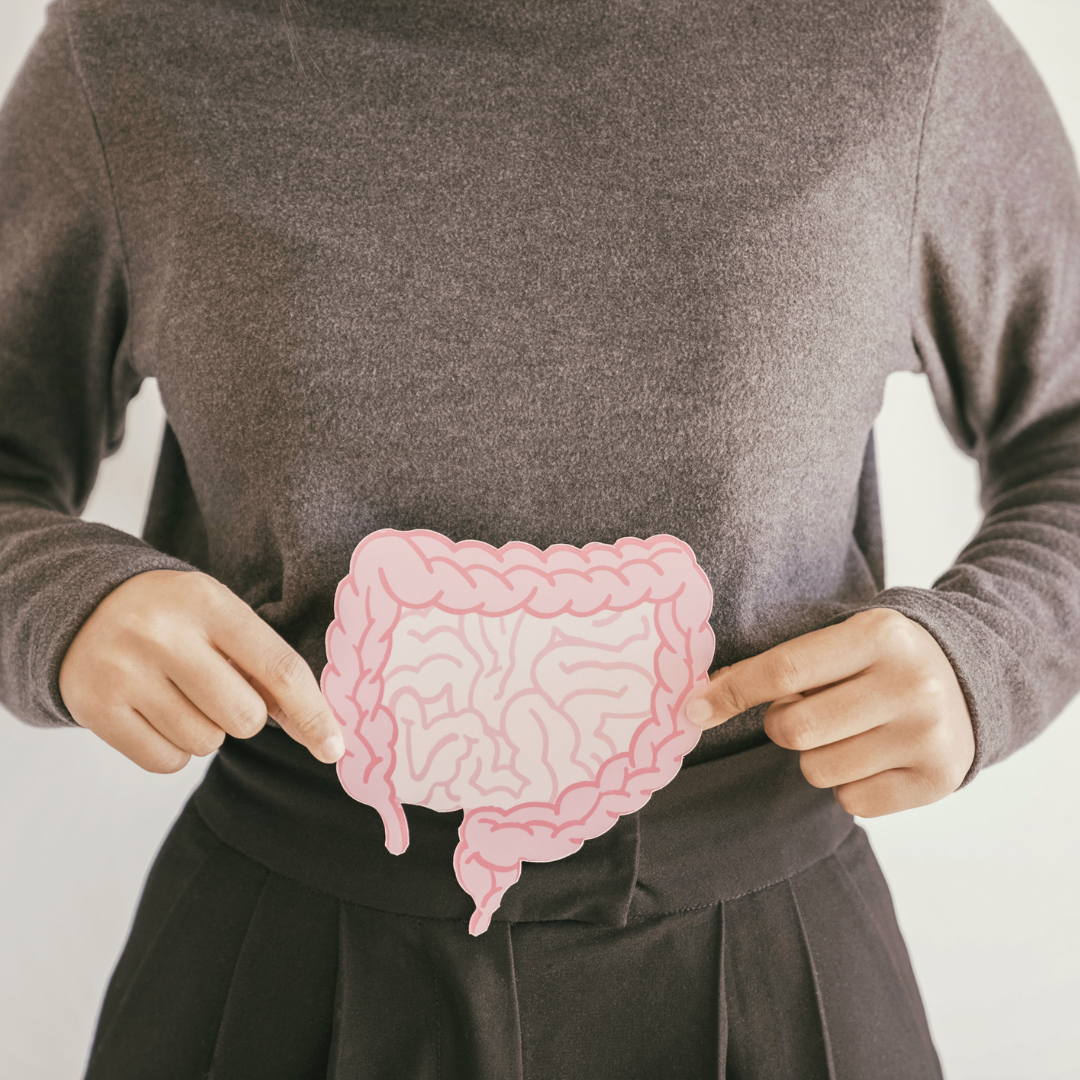

The Gut–Brain Connection (Why Your Mood Depends on Your Gut)
Your gut and brain communicate constantly through nerves, hormones, and chemical messengers.
Did you know?
Over 90% of your body’s serotonin — your “feel-good” neurotransmitter — is produced in the gut. This means a healthier gut often leads to a healthier mind.
Support Your Gut (70% of Immunity Lives There)
Your gut lining and microbiome help decide what gets into your body and what gets kept out. When your digestion is off, your immunity is usually off too.
To support your gut daily:
-
Eat protein first at meals
-
Add a serving of fiber-rich foods
-
Drink water before you feel thirsty (not necessarily when you are eating)
-
Avoid unnatural sugar (processed foods & desserts)
-
Eat slowly & chew your food fully to support digestion
These are simple suggestions, but these steps help improve how your immune system responds to stress and seasonal bugs.
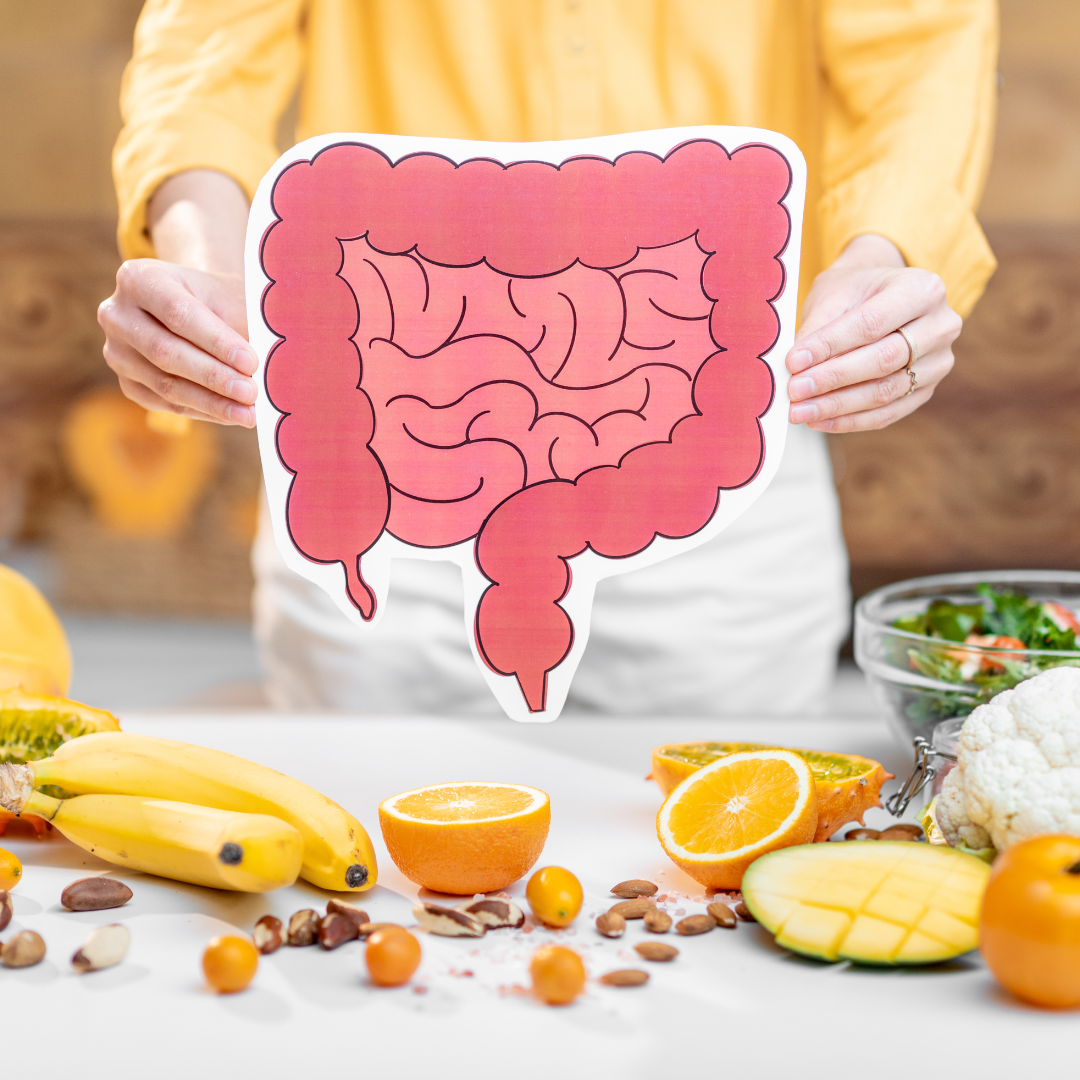

Small Daily Habits That Support Gut Health
You don’t need to overhaul your diet. These simple steps support your microbiome gently and naturally:
-
Eat protein first at meals
This supports stable blood sugar, digestion, and fullness.
-
Add one fiber-rich food each day
Berries, leafy greens, chia, flax, sweet potatoes — no pressure, just one.
-
Stay hydrated - ½ of your body weight in ounces
Water helps break down food and move it through your system.
-
Slow down when you eat
Chewing well reduces bloating and helps your body absorb nutrients.
-
Keep sugar moderate - Aim for natural sugar
A little is fine, but the daily spikes confuse our gut.
-
Move your body gently
Walking, stretching, or light movement boosts digestion and reduces inflammation.
-
Reduce stress where you can
Deep breathing, journaling, or quiet moments calm the gut almost instantly.
Small habits add up. Your gut responds quickly to consistency, not perfection.
Common Signs Your Gut Needs Support
If you notice any of these regularly, your gut may be sending a message:
-
Bloating
-
Fatigue
-
Cravings
-
Constipation or loose stools
-
Brain fog
-
Breakouts
-
Low energy
-
Frequent colds
-
Mood swings
These symptoms are common, but they’re not “normal.” Each are signals your gut is asking for nourishment and stability.
How Supporting Your Gut Helps Your Whole Body
Within a week or two of simple gut-support habits, many people notice:
-
Better energy
-
Easier digestion
-
Fewer cravings
-
More stable mood
-
Clearer thinking
-
Less bloating
-
Deeper sleep
-
Fewer seasonal illnesses
-
A calmer nervous system
Gut health is whole-body health.

You Don’t Need a Perfect Diet — Just Gentle Consistency
There’s no need for strict rules or extreme diets. Your gut thrives on balance, consistency, and nourishment. Try one or two of these tips this week. Your gut will respond much faster than you expect.