Beyond The Label: Understanding What 'Organic' Really Means
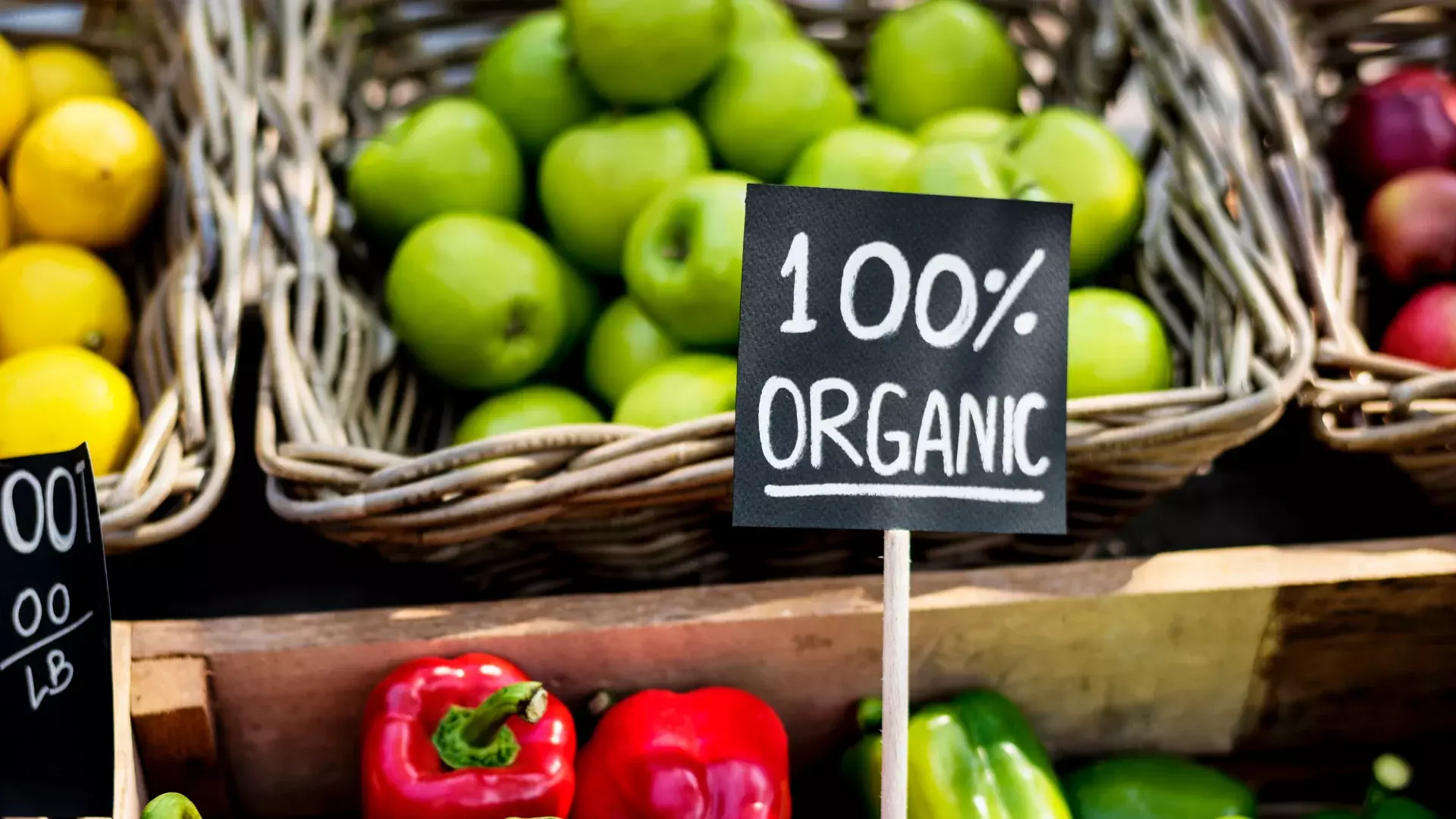
In recent years, the word "organic" has become increasingly prevalent in our grocery stores and farmers markets. It's plastered across packaging, featured in advertisements, and touted as a healthier, more ethical choice. But what does "organic" really mean beyond being a trendy marketing buzzword? Understanding the true significance of organic farming is crucial for making informed decisions about the food we consume and the agricultural practices we support.
The Origins of the Organic Movement
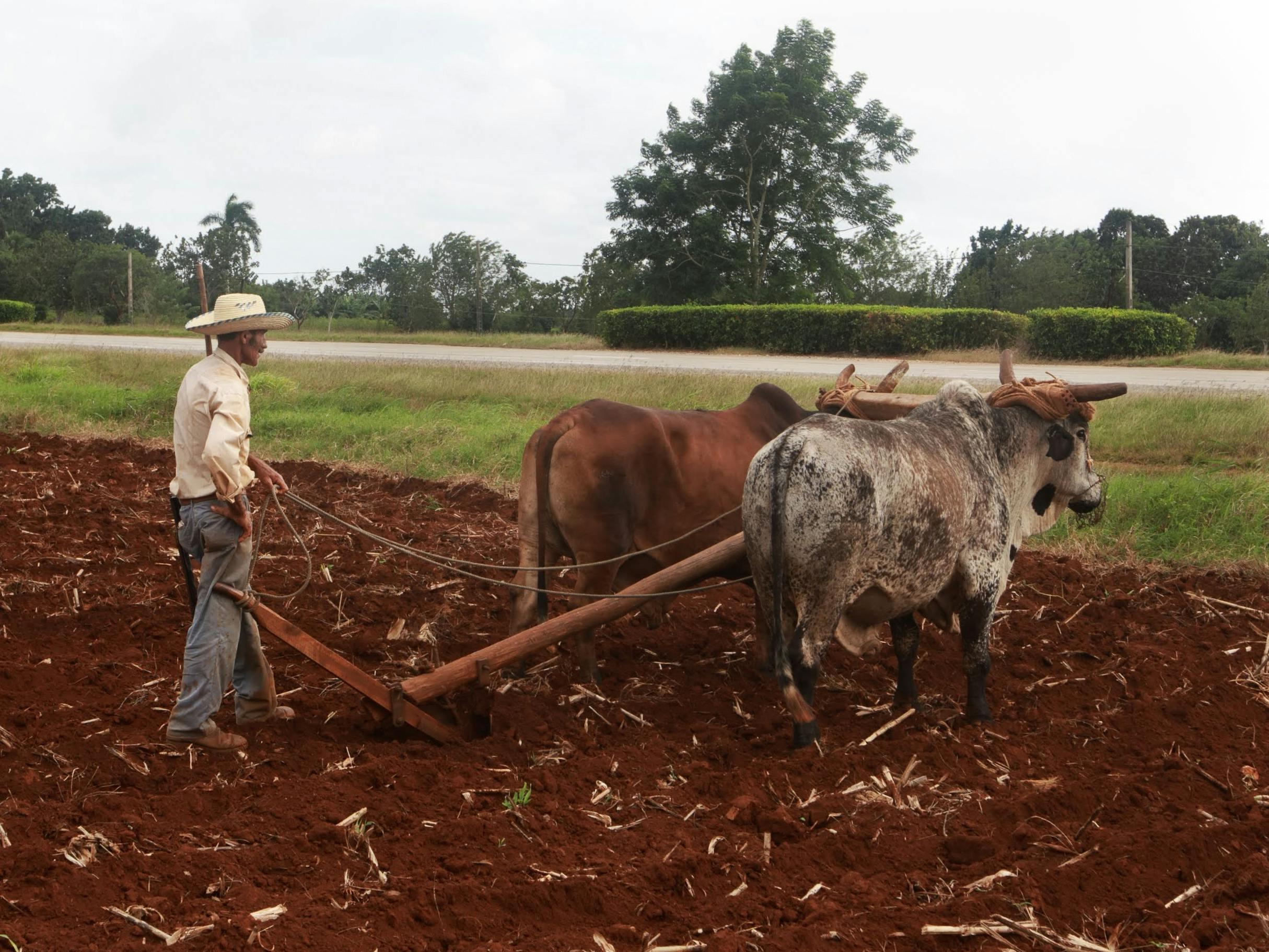
What we now call "organic" farming has been the standard agricultural practice for over 4,000 years of human history. For millennia, farmers worked in harmony with natural processes, building soil fertility through crop rotation, animal manure, and other natural methods. It wasn't until the aftermath of World War II that a significant shift occurred in farming practices.
The industrial revolution and technological advancements from the war brought new machines and chemicals to agriculture. This led to a divide in farming philosophies and practices. A kind of "brainwashing" began, convincing farmers and the public that these new chemical inputs were necessary for modern, efficient farming.
The immediate results were impressive - a sort of "drug effect" on crops. Synthetic fertilizers produced quick growth and higher yields, while pesticides promised to eliminate pest problems. However, a group of forward-thinking farmers and scientists became concerned about the long-term effects of these practices on soil health, food quality, and the environment.
It was in this context that the modern organic movement emerged. Key figures like Sir Albert Howard, J.I. Rodale, and Lady Eve Balfour began advocating for a return to more natural farming methods. They weren't inventing something new, but rather championing a return to time-tested practices that worked with nature rather than against it.
These pioneers of the organic movement observed that chemical fertilizers and pesticides, while boosting short-term yields, were degrading soil health and potentially impacting human health. They advocated for a holistic approach to agriculture that maintained soil fertility, supported biodiversity, and produced nutritious food without relying on synthetic chemicals.
In essence, the organic movement sought to reconnect with the wisdom of traditional farming while incorporating modern scientific understanding of ecology and soil biology. It was a response to the rapid industrialization of agriculture and an effort to preserve and revitalize sustainable farming practices that had served humanity well for thousands of years.
What Does Organic Certification Mean?
Today, "organic" is more than just a philosophy—it's a legally defined and regulated term. In the United States, the USDA oversees organic certification. For a product to be labeled organic, it must meet specific standards:
-
No synthetic fertilizers or pesticides: Organic farmers rely on natural fertilizers like compost and use biological pest control methods.
-
No genetically modified organisms (GMOs): Organic products cannot contain or be produced using GMOs.
-
No artificial preservatives, colors, or flavors: Organic processed foods must use organic ingredients and avoid artificial additives.
-
Humane animal treatment: Organic livestock must have access to the outdoors and be raised without routine use of antibiotics or growth hormones.
-
Crop rotation: Organic farms must use practices that promote soil health and prevent erosion.
It's important to note that organic certification is process-based, not outcome-based. This means it regulates how food is produced, not the final product's characteristics.
Organic vs. Conventional Farming: Key Differences
To truly understand what organic means, it's helpful to contrast it with conventional farming practices:
-
Soil Management: Conventional farming often relies on synthetic fertilizers for plant nutrition. Organic farming focuses on building healthy soil through composting, cover cropping, and other natural methods.
-
Pest and Weed Control: Conventional farms typically use synthetic pesticides and herbicides. Organic farms employ methods like crop rotation, beneficial insects, and mechanical cultivation to manage pests and weeds.
-
Seeds and Crops: Conventional farms may use GMO seeds. Organic farms are prohibited from using GMOs and often prioritize heirloom and locally-adapted varieties.
-
Livestock Management: Conventional animal farming often involves close confinement and routine use of antibiotics. Organic standards require access to outdoors and prohibit routine antibiotic use.
Environmental Benefits of Organic Farming
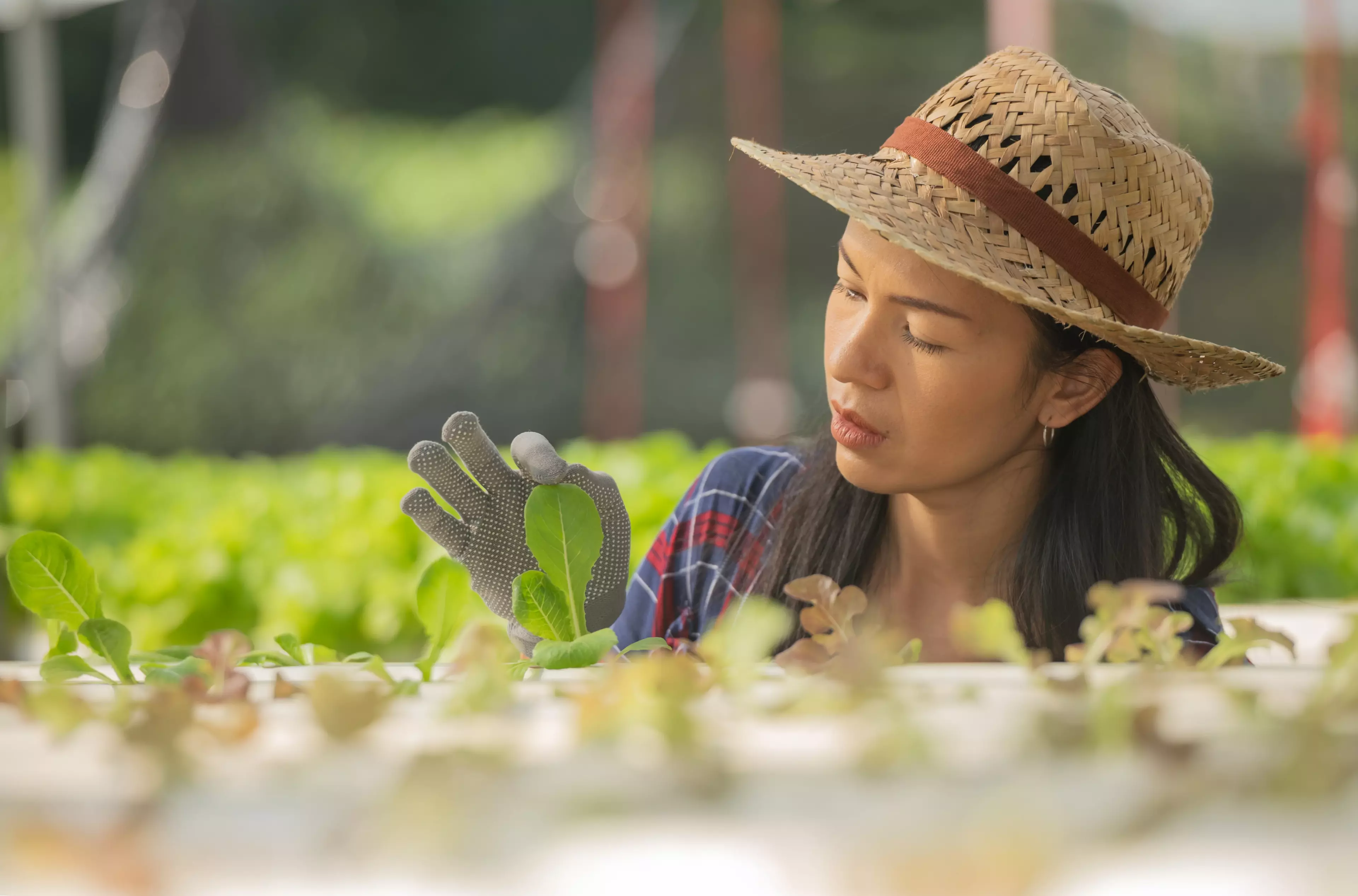
Organic farming practices offer several environmental advantages:
-
Soil Health: By avoiding synthetic chemicals and prioritizing soil-building practices, organic farms tend to have healthier soil with more organic matter and microbial diversity.
-
Water Quality: The absence of synthetic pesticides and fertilizers reduces water pollution from agricultural runoff.
-
Biodiversity: Organic farms often have greater biodiversity, both in terms of crops grown and wildlife supported.
-
Climate Change Mitigation: Healthy organic soils can sequester more carbon, potentially helping to mitigate climate change.
Challenges Faced by Organic Farmers
While organic farming offers many benefits, it's not without challenges:
-
Yield Gaps: Organic farms often (but not always) have lower yields than conventional farms, especially in the short term.
-
Labor Intensity: Many organic practices, like mechanical weed control, require more labor than conventional methods.
-
Certification Costs: The process of becoming certified organic can be expensive and time-consuming.
-
Pest Management: Without synthetic pesticides, managing pests can be more challenging and requires more complex strategies.
-
Market Pressures: As large corporations enter the organic market, small organic farmers face increasing economic pressure.
Looking Beyond the Label
While the organic label provides valuable information, it's important to look beyond it. Some small-scale local farmers may use organic practices but choose not to pursue certification due to costs. Conversely, some large-scale organic operations, while meeting the letter of organic standards, may not fully embody the spirit of the organic movement.
Additionally, factors like food miles (the distance food travels from farm to plate) aren't accounted for in organic certification. A local, non-certified farm might have a lower overall environmental impact than a certified organic product shipped from across the world.
Making Informed Choices
Understanding what organic really means allows us to make more knowledgeable decisions about our food. While organic certification provides a valuable standard, it's just one factor to consider. By educating ourselves about farming practices, we can better support agricultural systems that align with our values, whether that's through certified organic products, local farms, or other sustainable agriculture initiatives.
Remember, every food purchase is a vote for the kind of food system we want to see. By understanding what's beyond the organic label, we can make choices that truly support our health and the health of our planet.